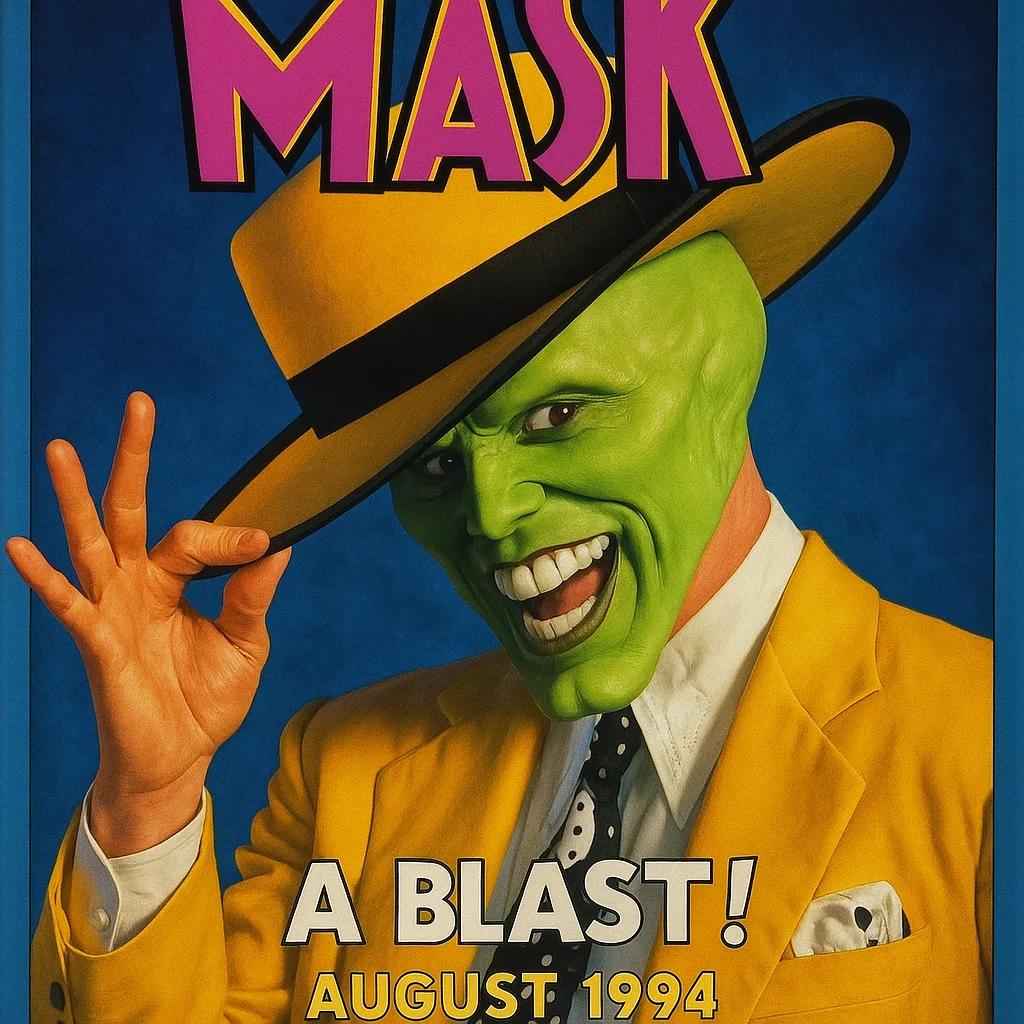
The Mask

“The Mask” is a film that has left a lasting impression on audiences worldwide, blending elements of comedy, action, and fantasy. Released in 1994, it features a unique premise centered around a mysterious mask that transforms its wearer into a mischievous and virtually invincible alter ego. The movie has also inspired a franchise, including sequels and animated series, and has become a notable part of 1990s pop culture. Its blend of humor, special effects, and charismatic performances has cemented its status as a memorable piece of entertainment.
An Overview of “The Mask”: Origins, Plot, and Cultural Impact
Origins:
“The Mask” is based on the comic book series created by artist Doug Mahnke and writer John Arcudi, published by Dark Horse Comics. The character first appeared in the comic “The Mask” in 1987, depicting a mysterious, ancient mask with supernatural powers. The film adaptation was directed by Chuck Russell and produced by New Line Cinema, aiming to bring the comic’s wild, chaotic energy to the big screen. Jim Carrey starred as Stanley Ipkiss, a mild-mannered bank clerk who discovers the mystical mask, which becomes the catalyst for his transformation into a zany, cartoonish alter ego. The film’s origins lie in the comic’s blend of noir elements and supernatural themes, reimagined for a broader audience with a focus on comedy and visual effects.
Plot:
The story follows Stanley Ipkiss, a shy and unassuming man who stumbles upon an ancient wooden mask at a local antique shop. When he wears the mask, he transforms into a flamboyant, mischievous character with exaggerated cartoon-like features and superhuman abilities. As The Mask, Ipkiss embarks on a series of wild adventures, often clashing with criminal elements in the city. His newfound alter ego allows him to express his suppressed desires and confidence, but also leads to chaos and unintended consequences. Meanwhile, the antagonist, crime boss Dorian Tyrell, seeks to acquire the mask for his own nefarious purposes, setting off a series of confrontations that propel the story toward its climax. The film balances slapstick comedy, action sequences, and moments of heartfelt vulnerability, making it a distinctive blend of genres.
Cultural Impact:
“The Mask” made a significant impact on popular culture, thanks in large part to Jim Carrey’s energetic performance and the film’s innovative visual effects. It popularized the idea of a mysterious, transformative mask as a symbol of unleashed identity and chaos, influencing subsequent media and merchandise. The film’s success led to a franchise that included animated series, comic books, and merchandise, cementing its place in 1990s entertainment history. Its portrayal of a quirky, exaggerated alter ego resonated with audiences, and Carrey’s comedic style brought a new level of physicality and expressiveness to the genre. Additionally, “The Mask” contributed to the popularity of special effects-driven comedy and demonstrated how comic book properties could be successfully adapted for mainstream audiences. Overall, the film remains a noteworthy example of genre blending and cultural phenomenon that continues to be referenced in various media.
In summary, “The Mask” stands as a distinctive film that originated from a dark comic book concept and evolved into a vibrant cultural icon. Its origins in supernatural comics, compelling storyline, and groundbreaking visual effects have ensured its enduring legacy. As both a comedy and a fantasy adventure, it exemplifies how creative storytelling and innovative filmmaking can produce a memorable and influential piece of entertainment.